Our Roofing and Exterior Services
CALGARY ROOFING SERVICES
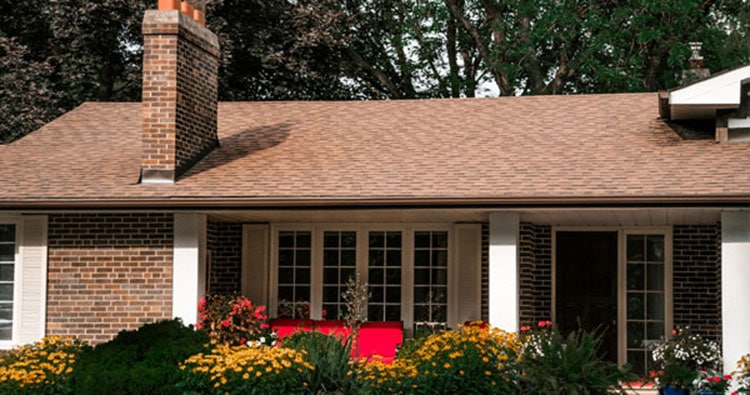
Fortress Roofing & Exteriors has been serving Calgary since 2001. We're experts in residential roofing solutions, with roofing services in asphalt roofing, metal roofing, and rubber roofing.
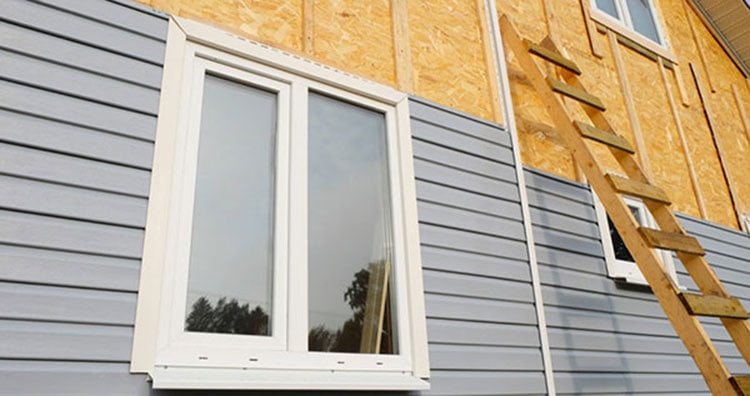
Our superior Calgary roofers, quality products, and exceptional customer service have led us to become one of the top roofing contractors in Calgary and Southern Alberta. Whether you need emergency roof repair services or window installations, we offer full-service solutions for all your needs within your timeline.
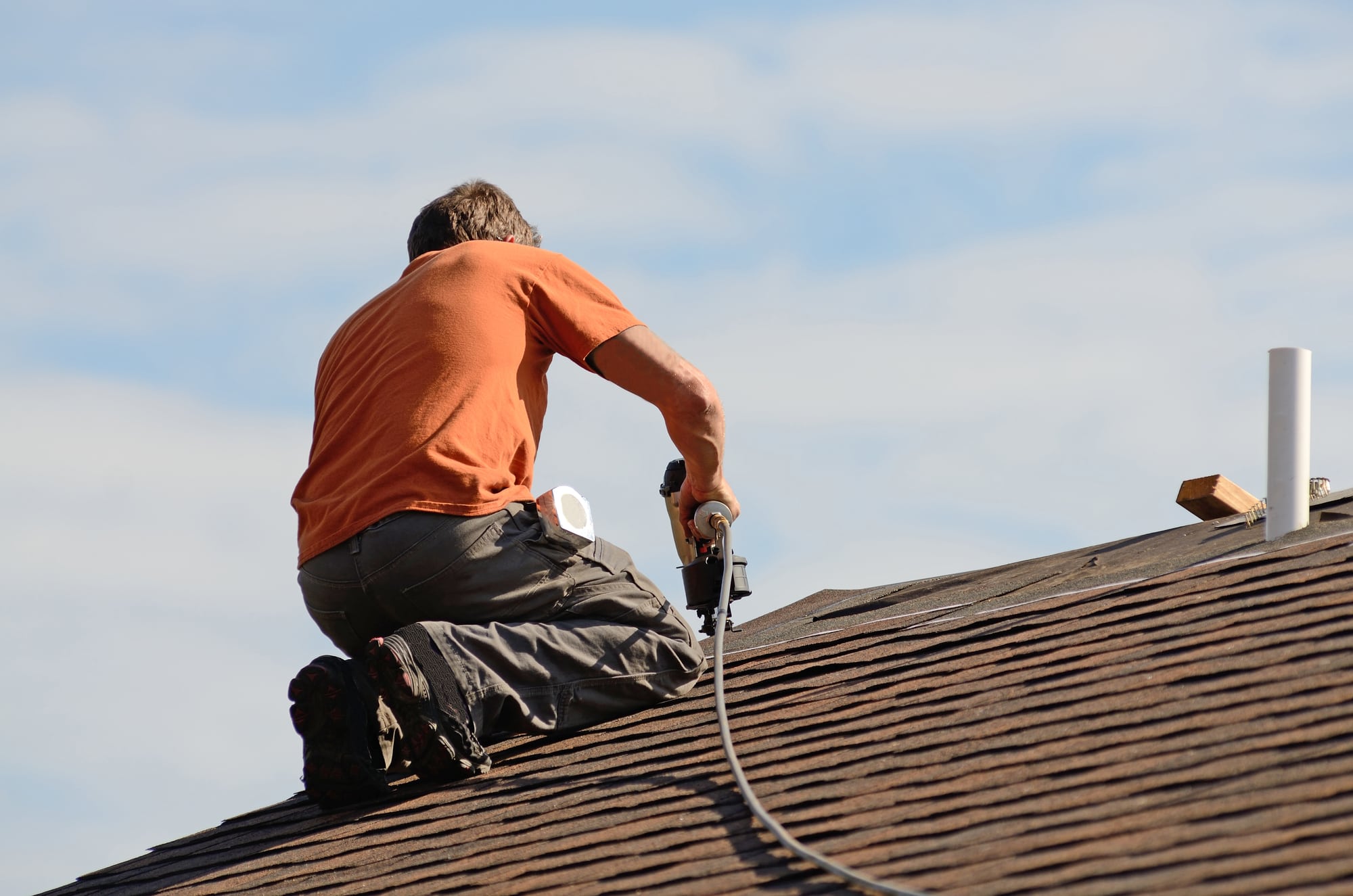
A ROOFING COMPANY YOU CAN RELY ON
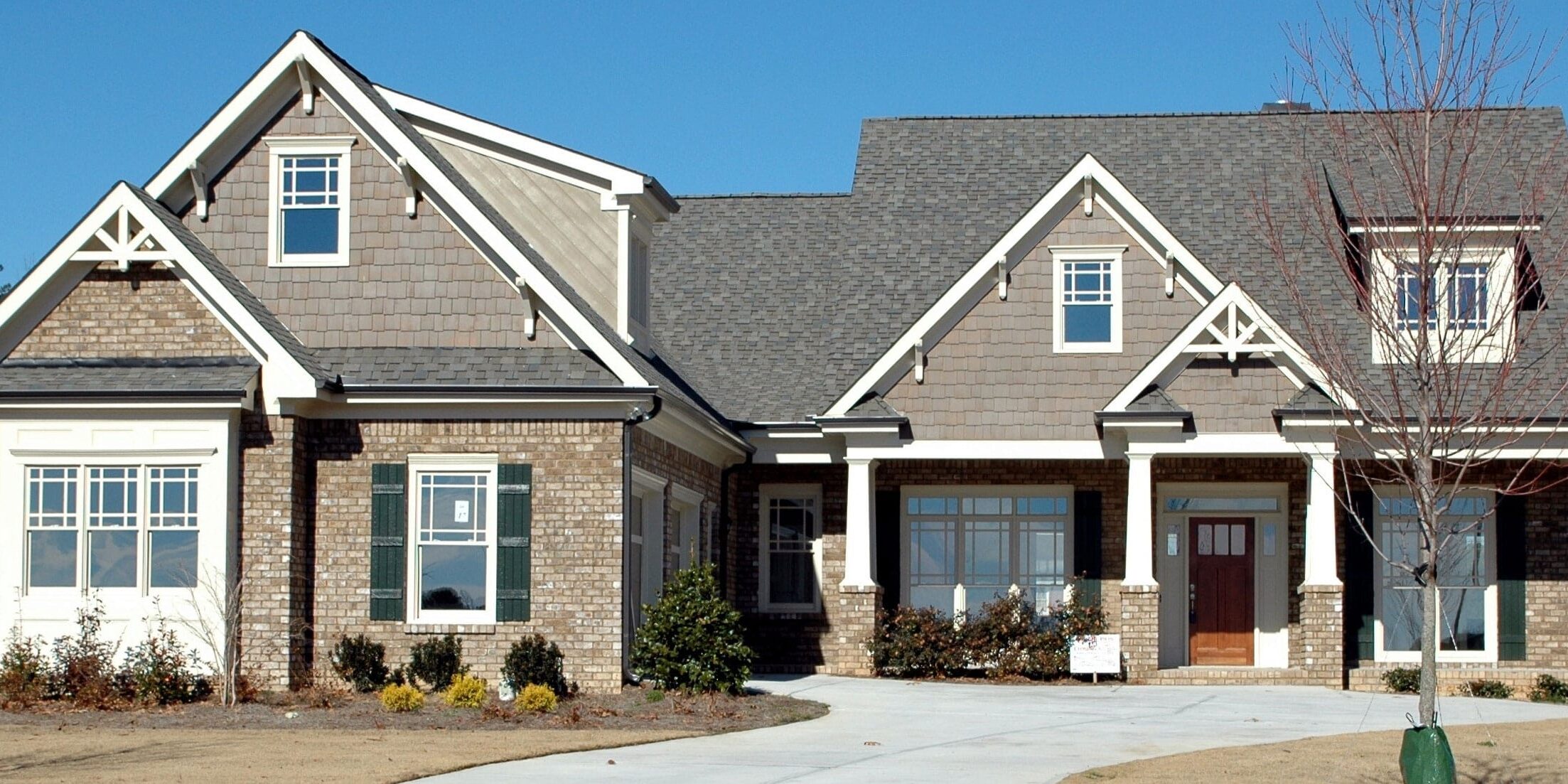
Fortress Roofing & Exteriors is one of the best Calgary roofing companies thanks to our quality craftsmanship and ethical practices. We have served Calgary for two decades, providing the knowledge and expertise needed for roofs to shelter families and belongings through tough times. The finest and most skilled installers in the city are here to assist in your roof replacement or siding repair needs.
We guarantee excellent service, expert craftsmanship, and superior professionalism all on time. To find a solution for your roofing needs, visit our service pages or contact us today to receive a quote.
EXPERIENCED CALGARY ROOFING INSTALLERS AT YOUR SERVICE
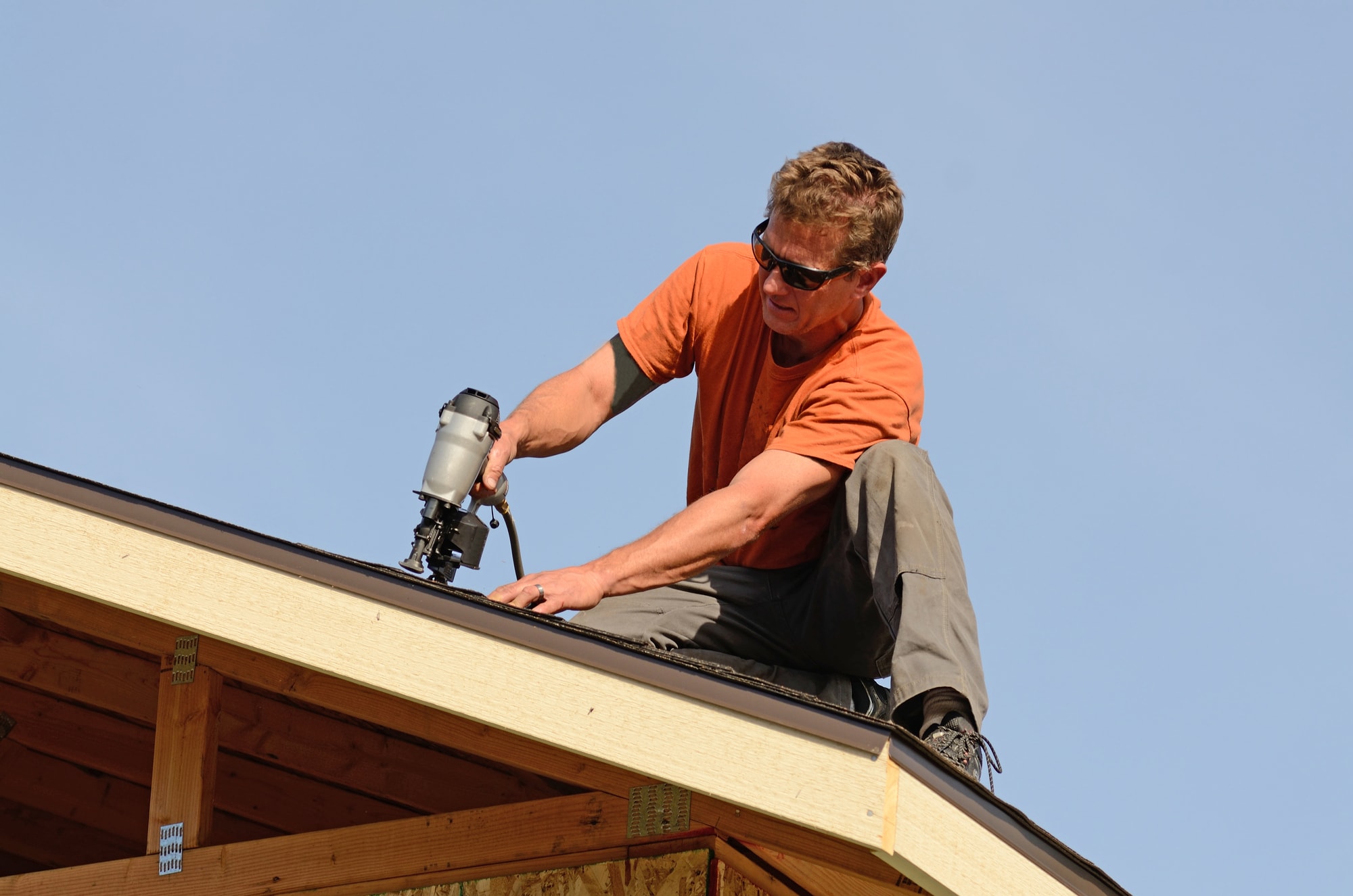
Choose Fortress Roofing as your next installer for all your roofing needs. We're proven roofing experts, with extensive experience in roofing replacement, siding, inspections, and ice dam removal to name a few. Fortress Roofing in Calgary is committed to providing the best service and roofing products to our customers.
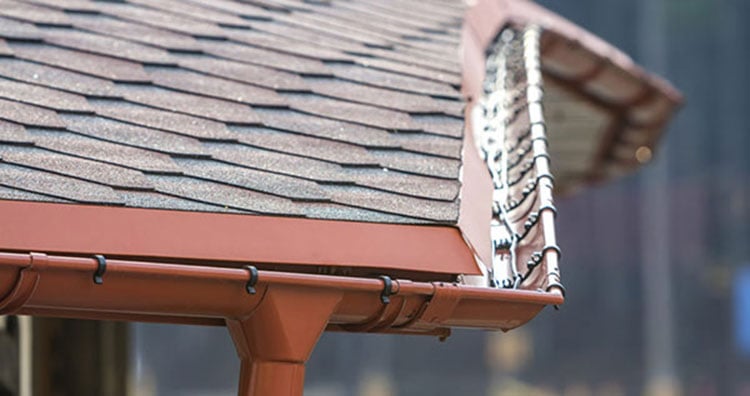
We use high-quality shingles engineered from the latest asphalt and modified polymer technology to ensure your roofs receive the highest protection possible against harsh weather conditions. We have an extensive number of shingles to choose from, produced by IKO Cambridge and Malarkey Legacy to aid your roof and look good doing it.
The best roofers in Calgary, siders, and installers have executed quality workmanship and reliable customer customers across thousands of projects. Our dedication has earned us excellent customer reviews and maintained our long-standing A+ rating with the Better Business Bureau. We have also been accredited for customer nominations on both the BBB ‘Business Ethics Award’ (2008) and the Customer Trust Award (2013).
We are always looking to provide excellent customer service and craftsmanship to Calgary and all nearby communities and strive to remain your first choice for all roofing needs.
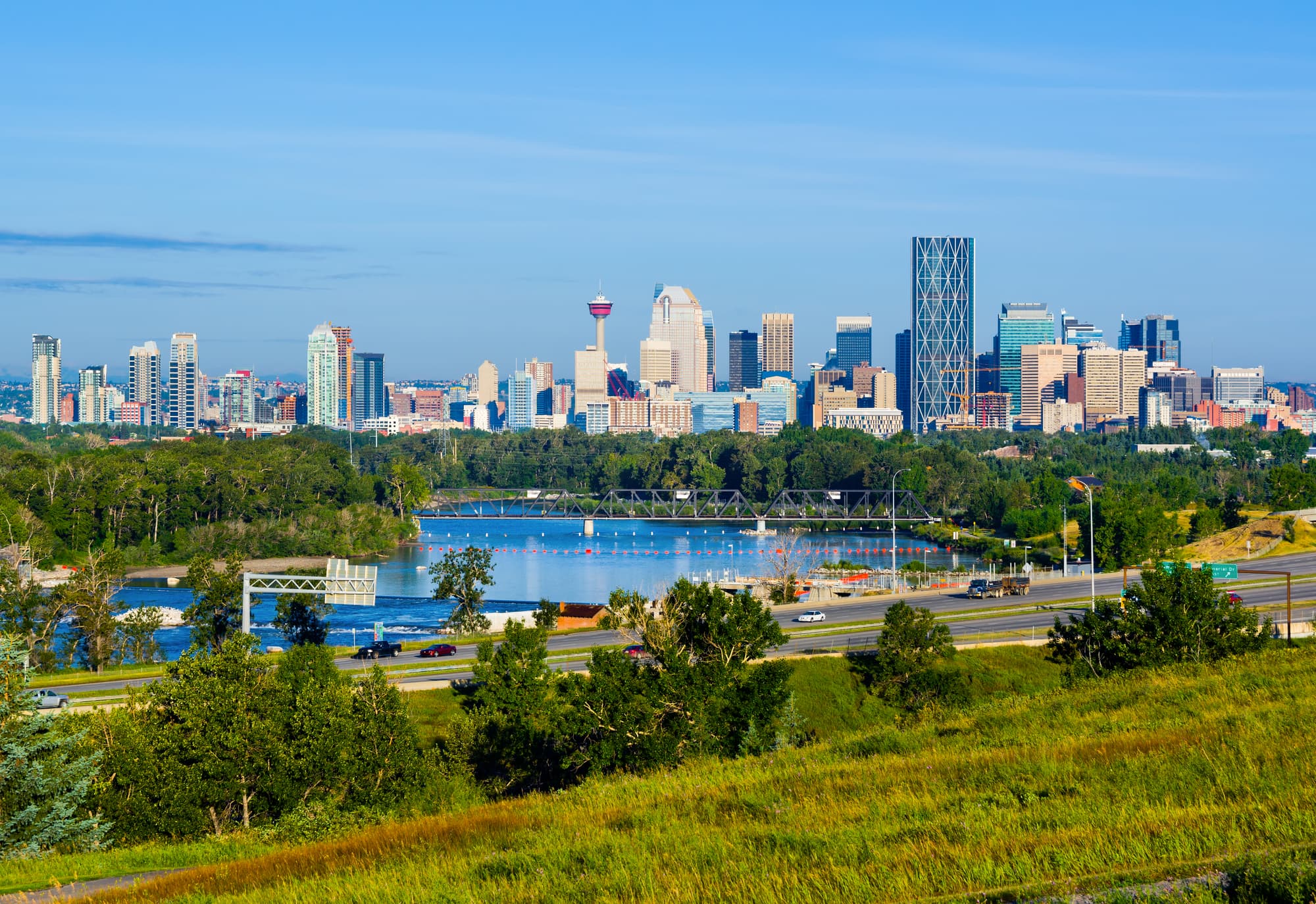
PROUDLY SERVING CALGARY AREA
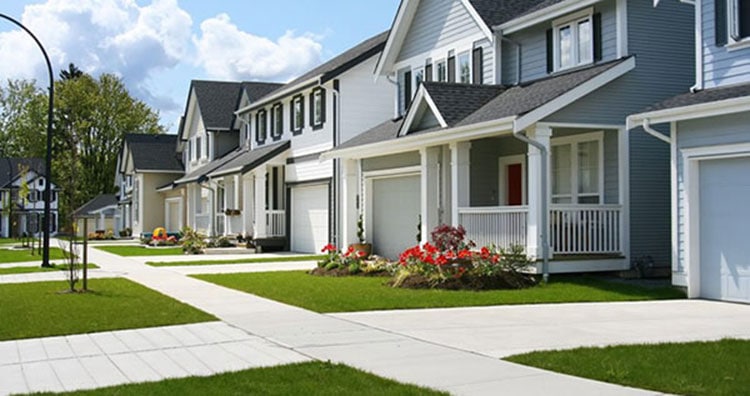
For a reliable roof that protects your home from inclement weather, harsh sun rays, and the occasional critter or bird, Fortress Roofing Calgary is here to provide you with all the roofing services you need.
We pride ourselves in our quality craftsmanship, whether you need emergency roof repair services or residential roofing. Our installers are experts in asphalt roofing, metal roofing, and rubber roofing.
We are one of the top choices for Calgary roofing companies. We are happy to serve the majority of Southern Alberta with additional offices in Airdrie and Priddis. Have a trusted company look after the well-being of your home; give us a call today for a quote.
OUR ROOFING PROCESS
Interested in our roofing services? Here’s how we provide you with the best solution:
1. Contact Us For a Free Quote!
Contact us today for a free quote and our team will get back to you as soon as possible. Our professional staff will ask standard questions about your project. We are also available after hours for emergencies.
2. Schedule a Home Inspection
We will schedule a home inspection to measure your roof, examine issues, and provide a solution at your earliest convenience. You do not need to be home but can do so if you have any questions for our specialists.
3. We Will Send You a Detailed Quote
You will be sent a detailed quote within 2-3 business days, including a basic price and upgrade options for higher quality materials.
4. Schedule Your Project and Begin Work
Once details have been finalized, set an approximate date with us to complete your roof or any other service. We will begin ordering the necessary materials for your home as soon as possible. Now sit back and relax as we improve your roof.
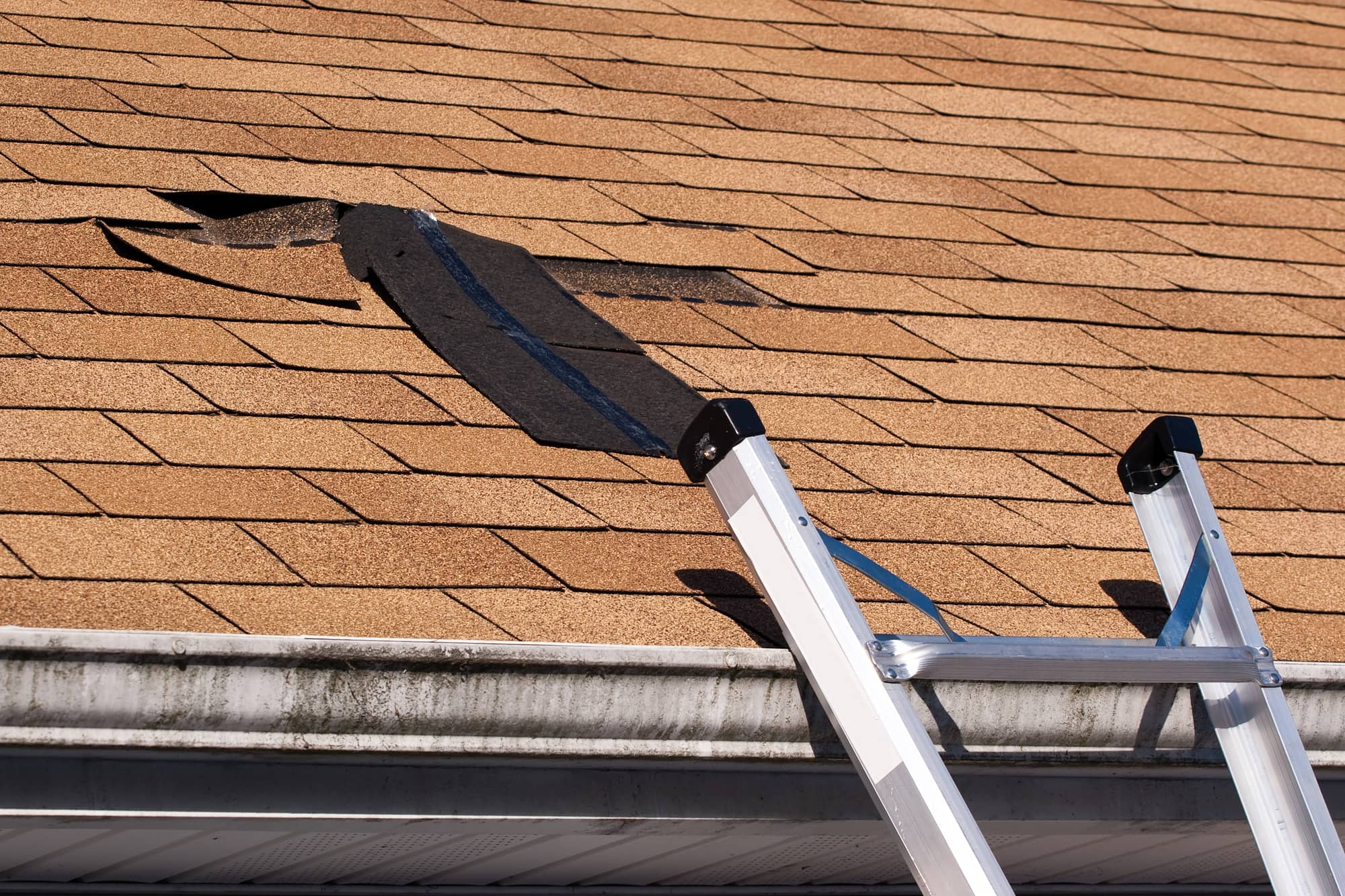
CALGARY ROOFERS YOU CAN PUT YOUR TRUST INTO
Trust Fortress Roofing & Exteriors to properly assess, plan and build or repair your new roof. We bring our 20 plus years of knowledge and experience to the table on every project we quote. We're a trusted roofing company in Calgary and the local area, and one of the best choices when it comes to roofing companies in Calgary. We look forward to proving ourselves when working on your home. Contact us today to receive an expert quote detailing all of your roof replacement needs.
OUR POPULAR ROOF AND EXTERIOR PRODUCTS
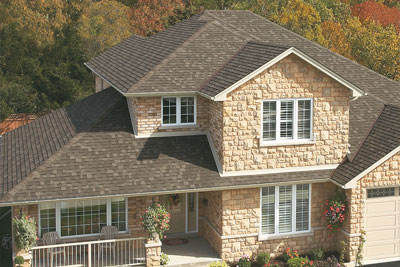
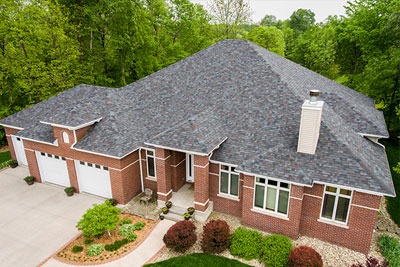
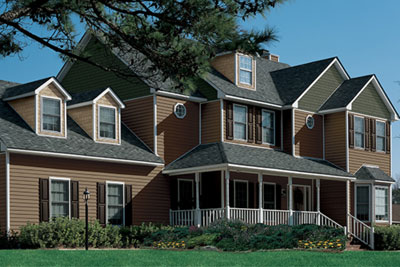
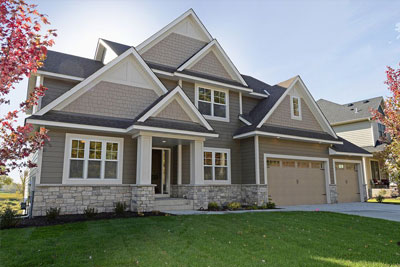
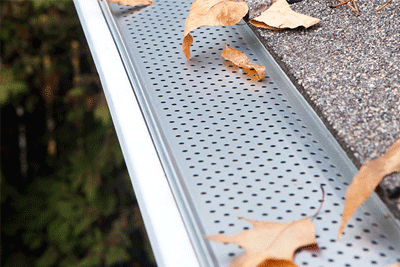
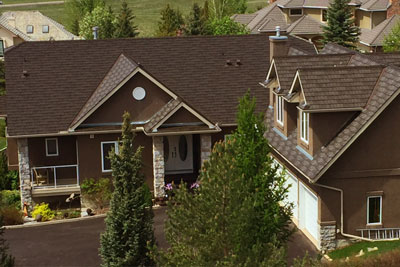
Check out our full line of products we carry
Get more information about the kind of roofing and siding products our roofers use to complete your project. We use some of the finest brands in the industry to give you a high-quality finish that will last years to come.
RECENT POSTS FROM OUR BLOG
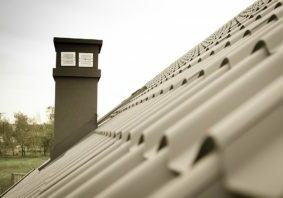
Roof Flashing Guide: Flashing Types and When to Replace It
A roof flashing is a sheet of metal that’s meant to keep water from getting under your roof and leaking into your home. These are placed on areas in your roof that are prone to water penetration. All opposing surfaces (roof valleys) should be covered with a roof flashing. If you have a window, vent,…
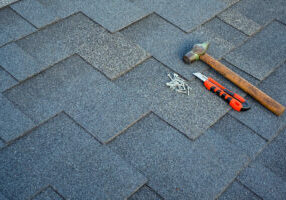
Roof Leak Repair: When to DIY vs. When to Hire a Pro
A roof is one of the most important parts of any house. That’s why it could be such a headache when you start experiencing problems with it. But the good news is that roofs are not hard to repair. One of the most common roof issues that people encounter is roof leaks. The best course…
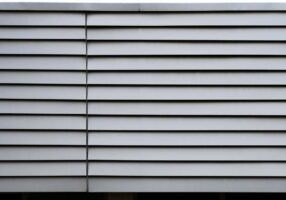
Your Handy Guide to Metal Cladding and its Benefits
There are a lot of different materials you can use for your roofing-asphalt shingles, clay tiles, standing seam metal, and many more. The same goes for siding exteriors-wood, concrete, vinyl, and metal, among others. But what is metal cladding? Simply put, it’s a metal covering on any structure. It helps to better protect your house…
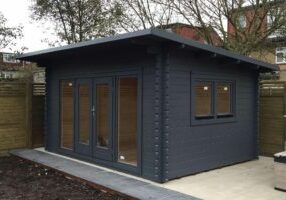
How to Build a Slanted Shed Roof: Step-by-Step Guide for Beginners
Are you frequently running out of space to store your gardening tools? Or perhaps you yearn for a peaceful extra room nestled in the great outdoors? If your backyard has ample space, why not consider constructing a shed? Building a shed can offer several benefits.It can range from increasing your storage space to enhancing your…
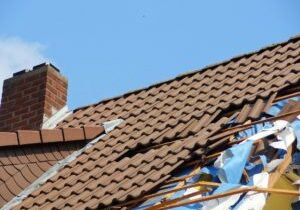
Storm Damage Restoration: What to Expect
A storm is one of the most common types of natural disasters that people experience. It brings water and winds that could cause a lot of damage to homes. After a storm, the first thing that most of us tend to do is inspect our home for damages, and rightly so. It’s important to check…
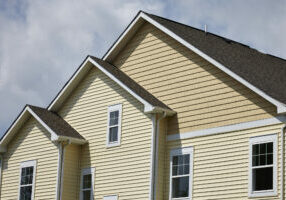
Vinyl Siding SOS: Expert Advice and Solutions
Installing siding on your home is an excellent way to enhance its durability. It shields your exteriors from weather fluctuations. It also shields your exteriors from external elements that could potentially damage your property. Various materials can be utilized as siding. This includes wood, metal, and fibre cement, among others. However, vinyl sidings stand out…
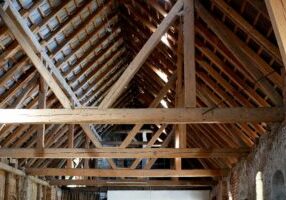
Roofing School: What is a Roof Truss?
A roof truss is a type of roof framing. It’s designed to support the weight of the roof and its whole structure. Roof trusses are popular because they’re more affordable than stick frames (rafters and joists). They’re also easier to work with when it comes to most home renovation projects. A roof truss is engineered…
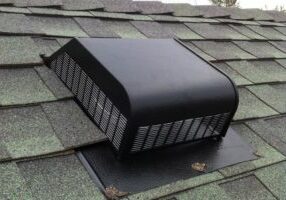
How to Install a Roof Vent in 5 Easy Steps
A roof vent is important in saving energy for your home. With proper ventilation, you can make sure that your HVAC system works in the most efficient way. It also helps prevent moisture from building up in your attic. Roof vents can protect your home from leaks, mold, and ice dams. It also helps make…
REQUEST A FREE QUOTE
Fill out the form below for new quotes and our team will get in touch right away.